Case study
Designing Live
Order Tracking
Designing Live
Order Tracking

view mode
collaborators
tech
brand
Overview
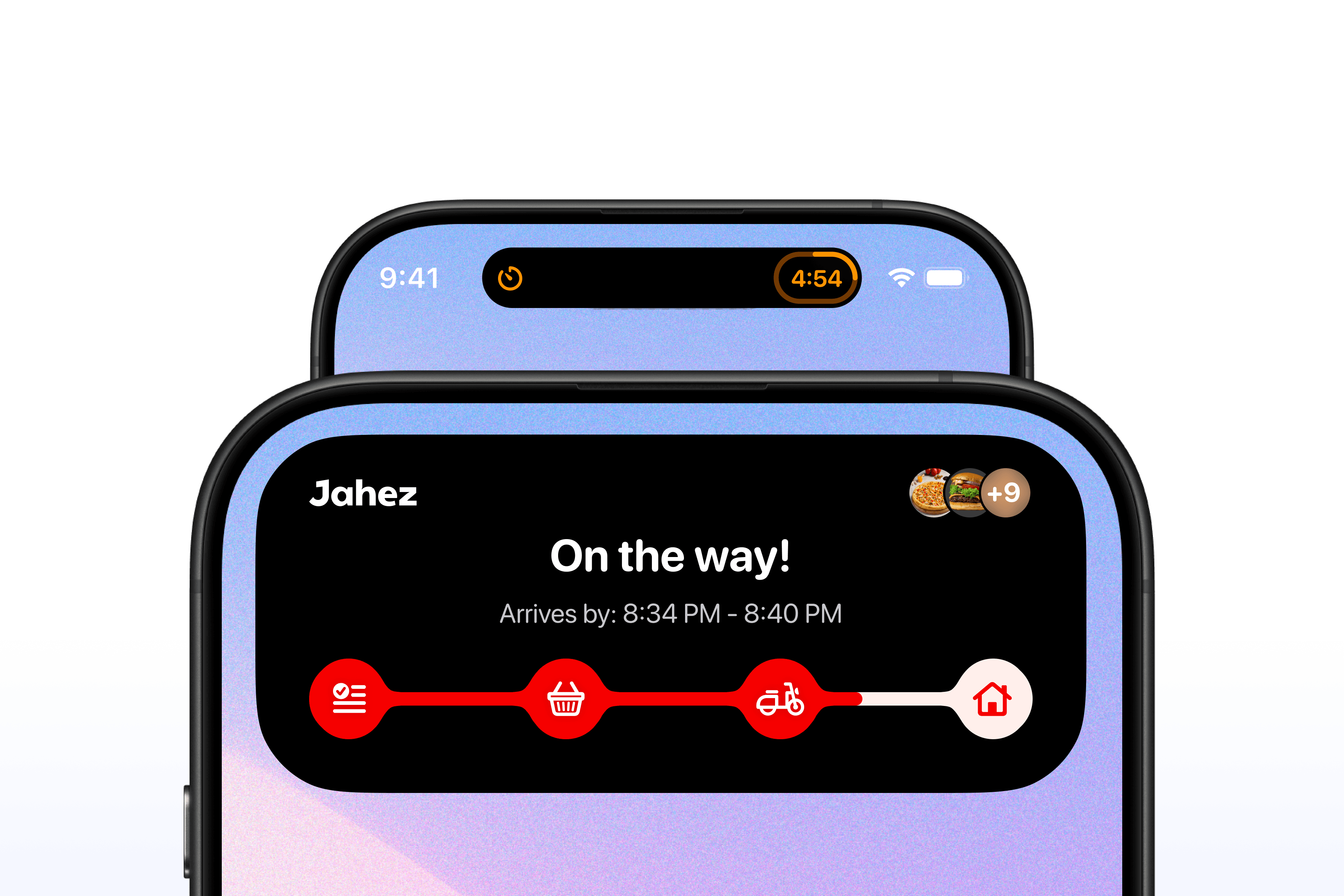
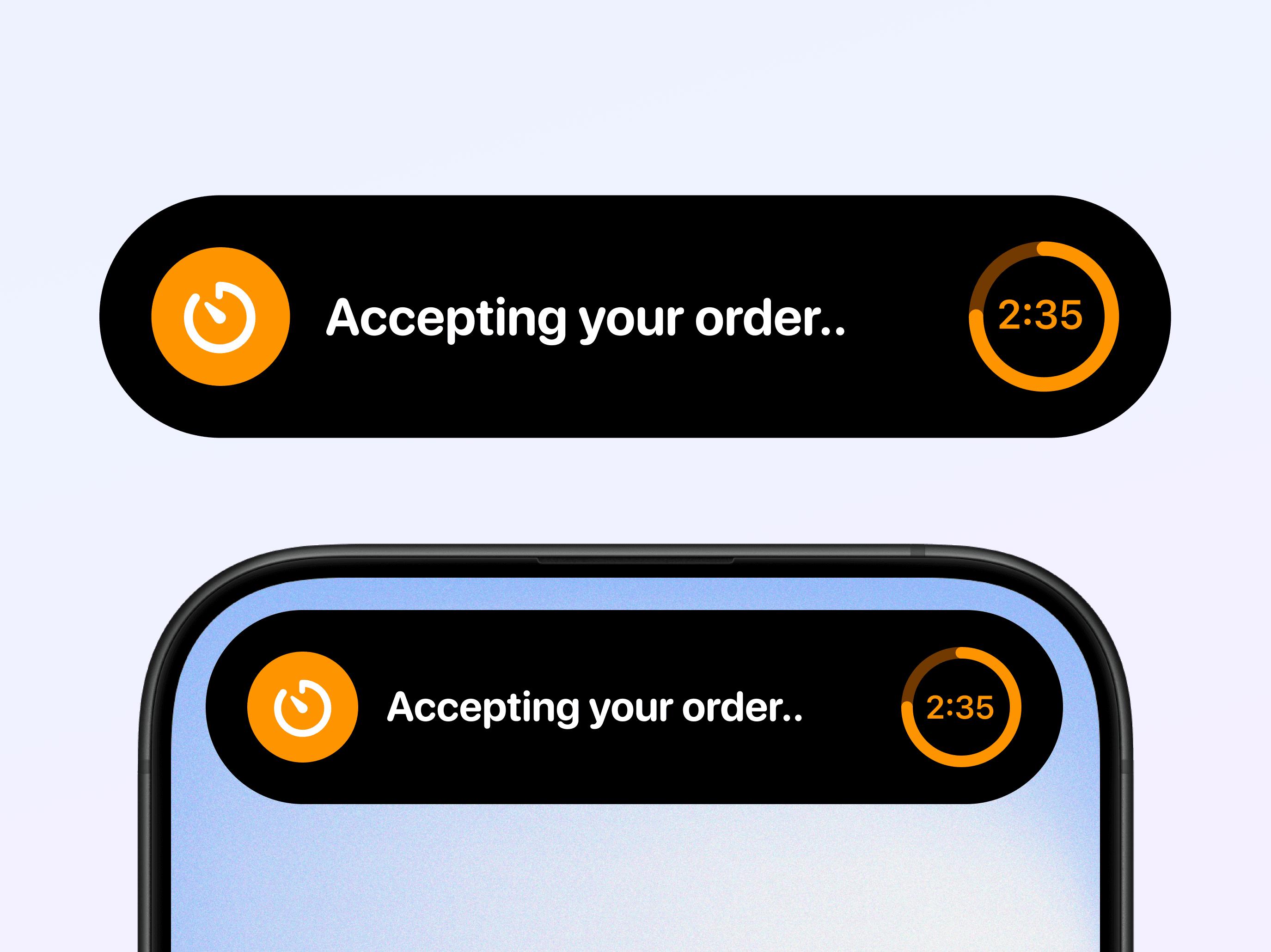
Food delivery is a time-sensitive experience. Once users place an order, they usually keep checking the app to understand one simple thing:
“Where is my order now?”
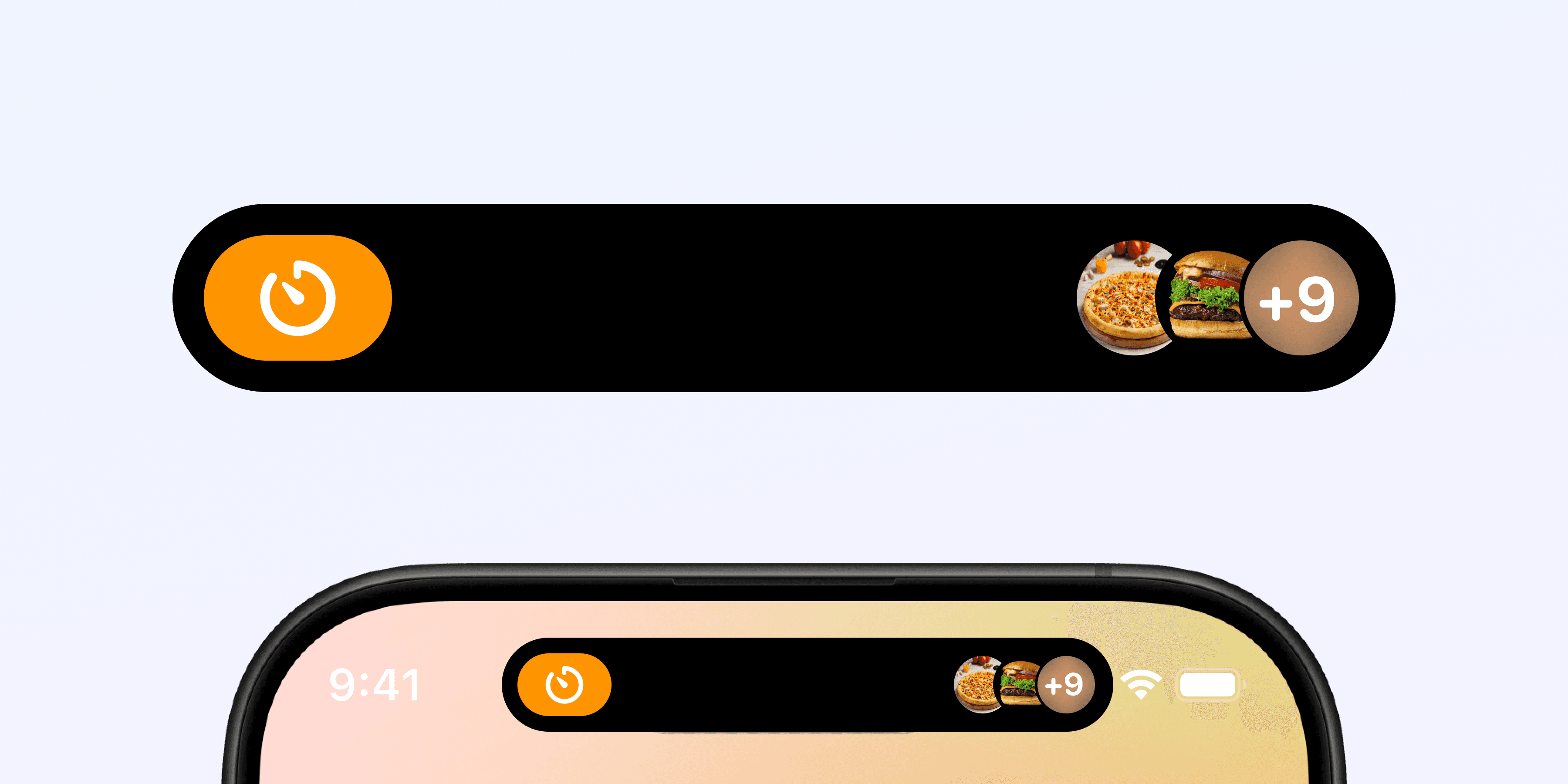
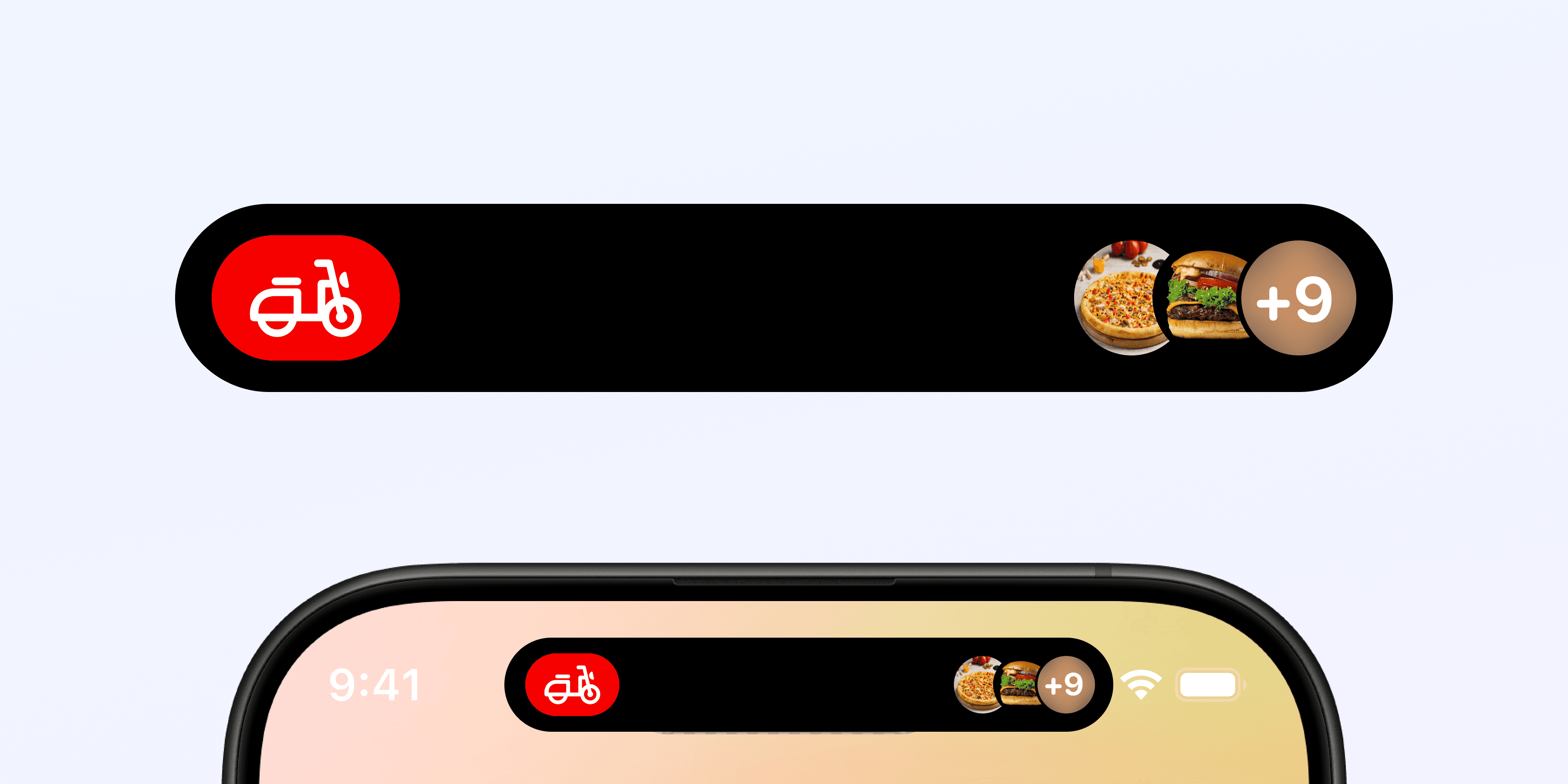
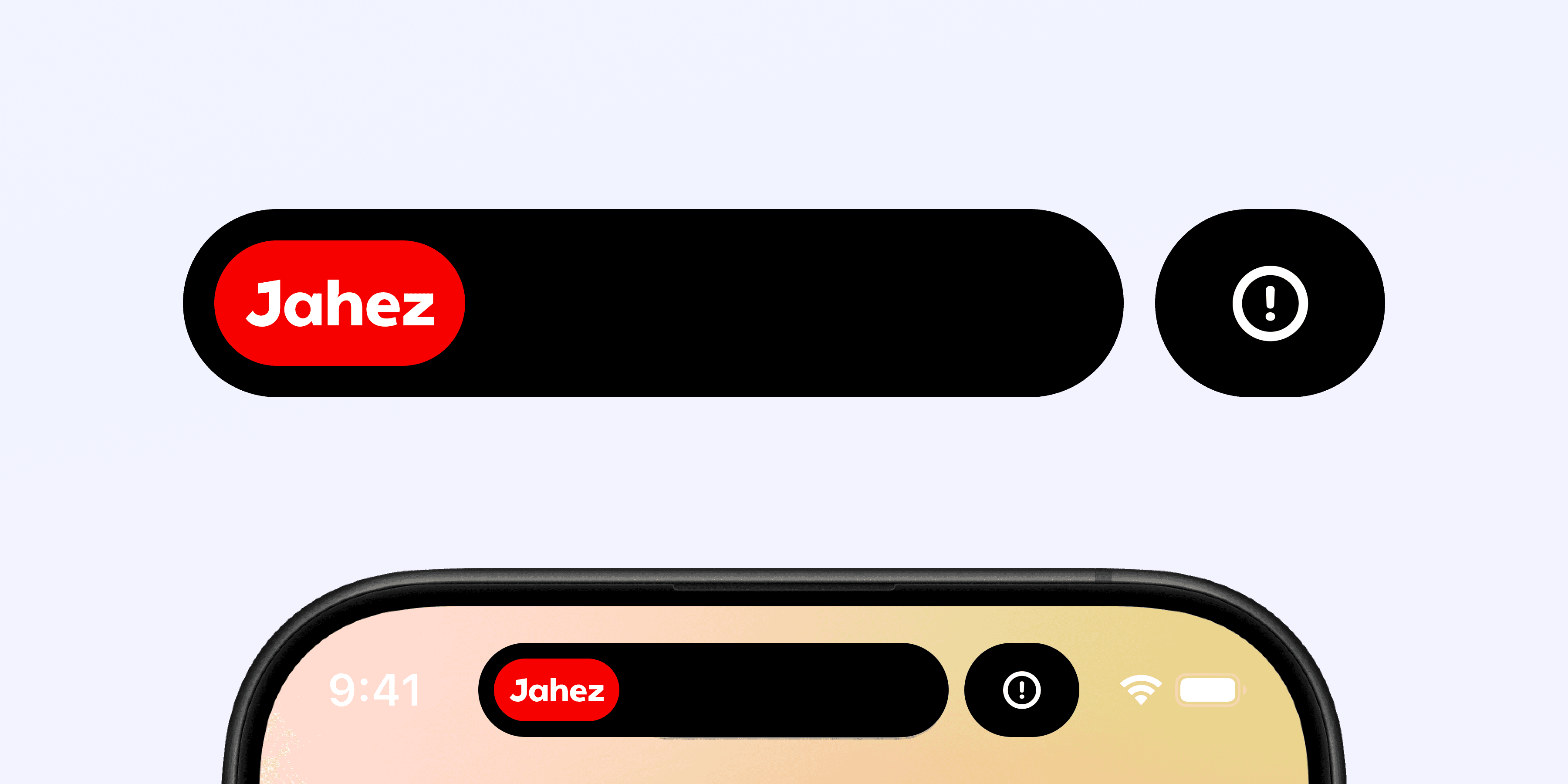
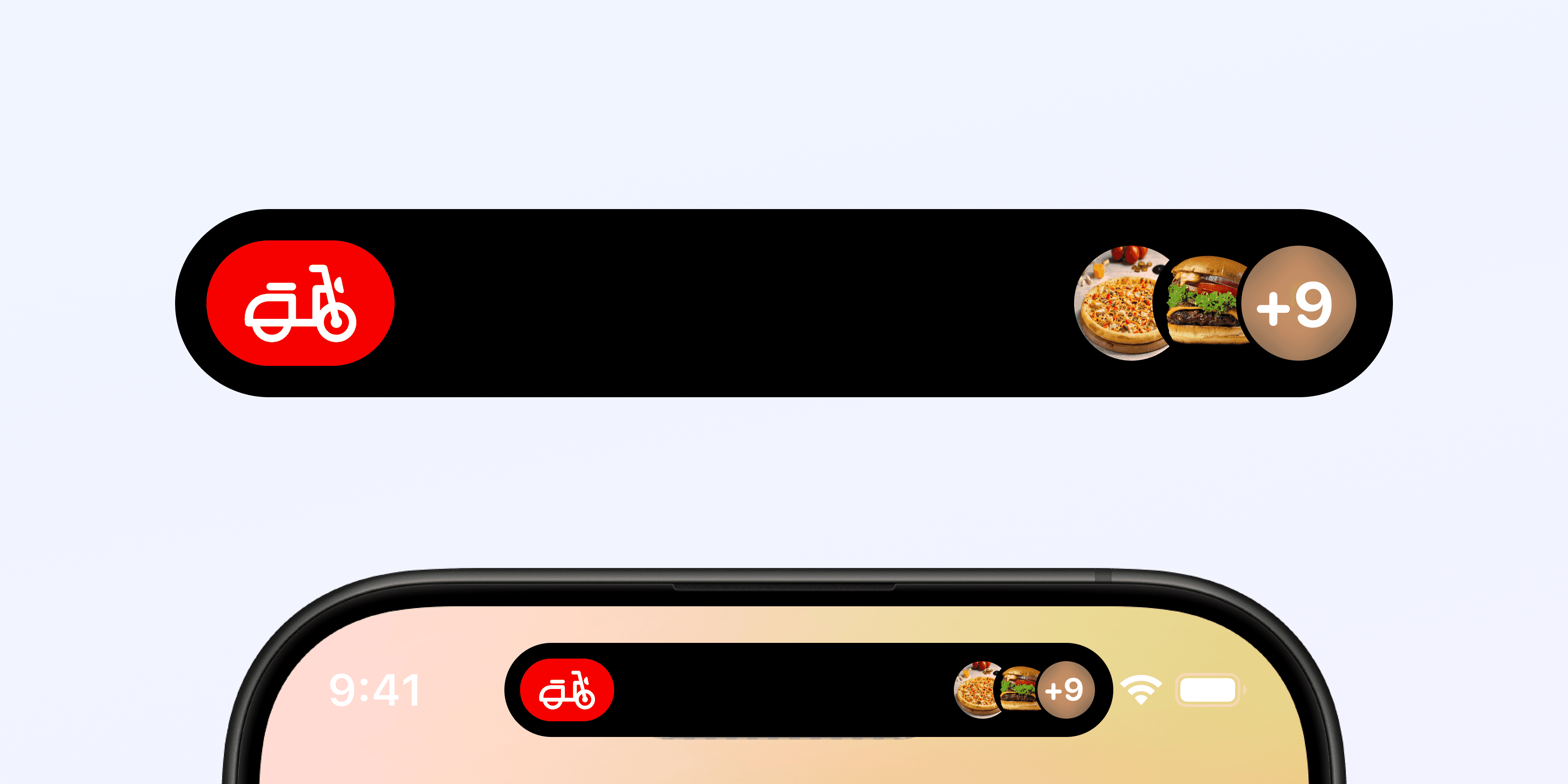
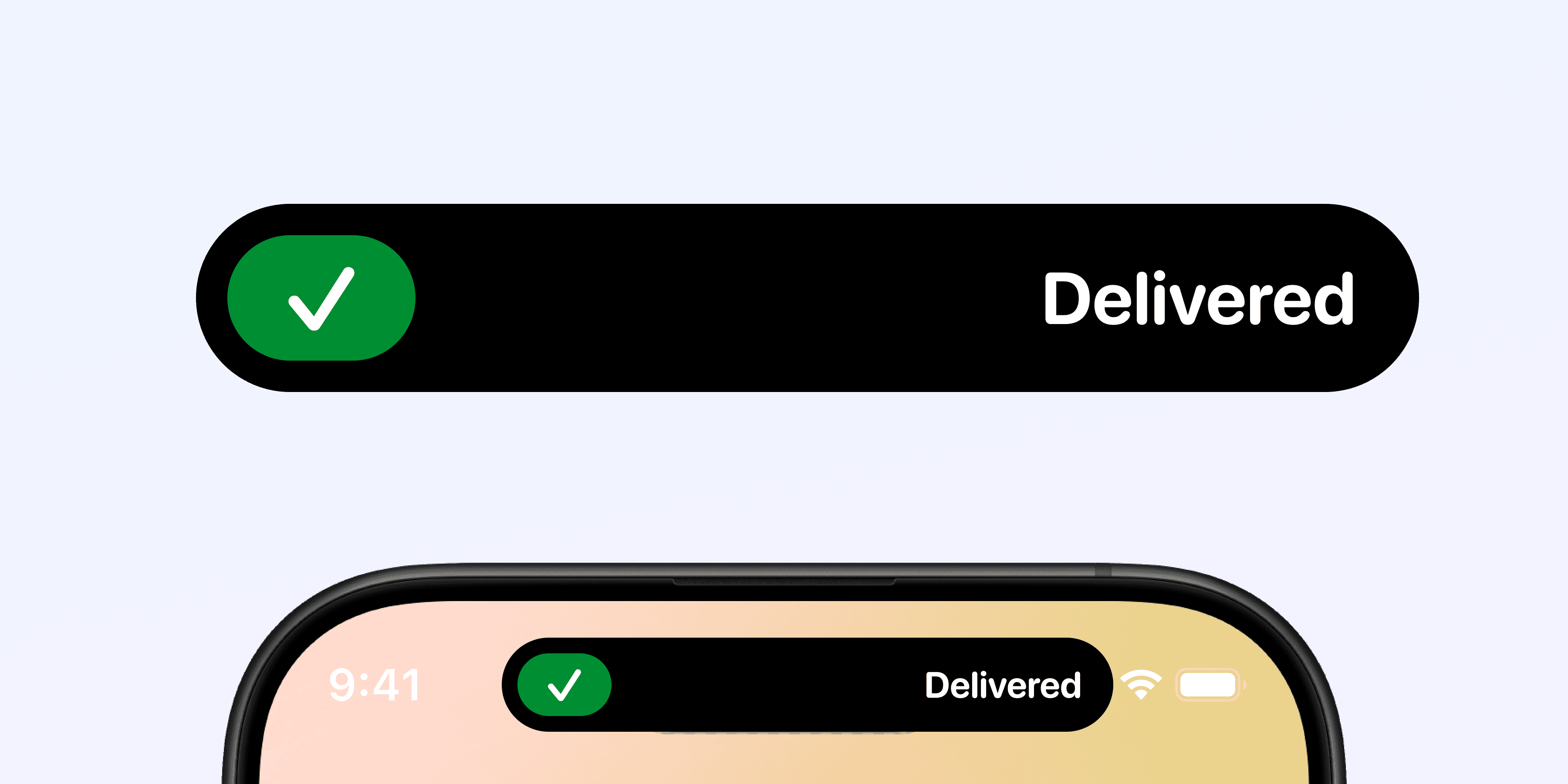
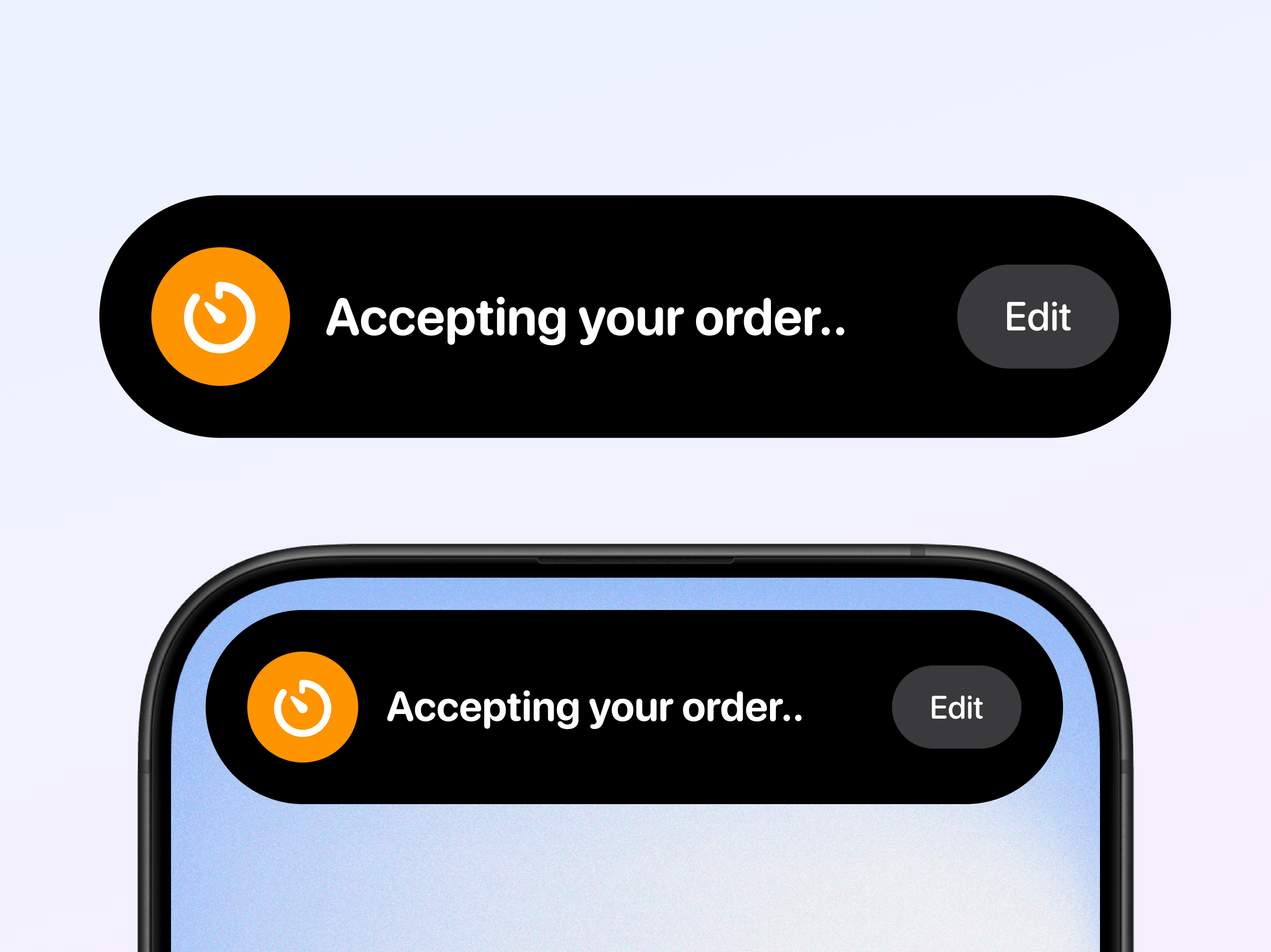
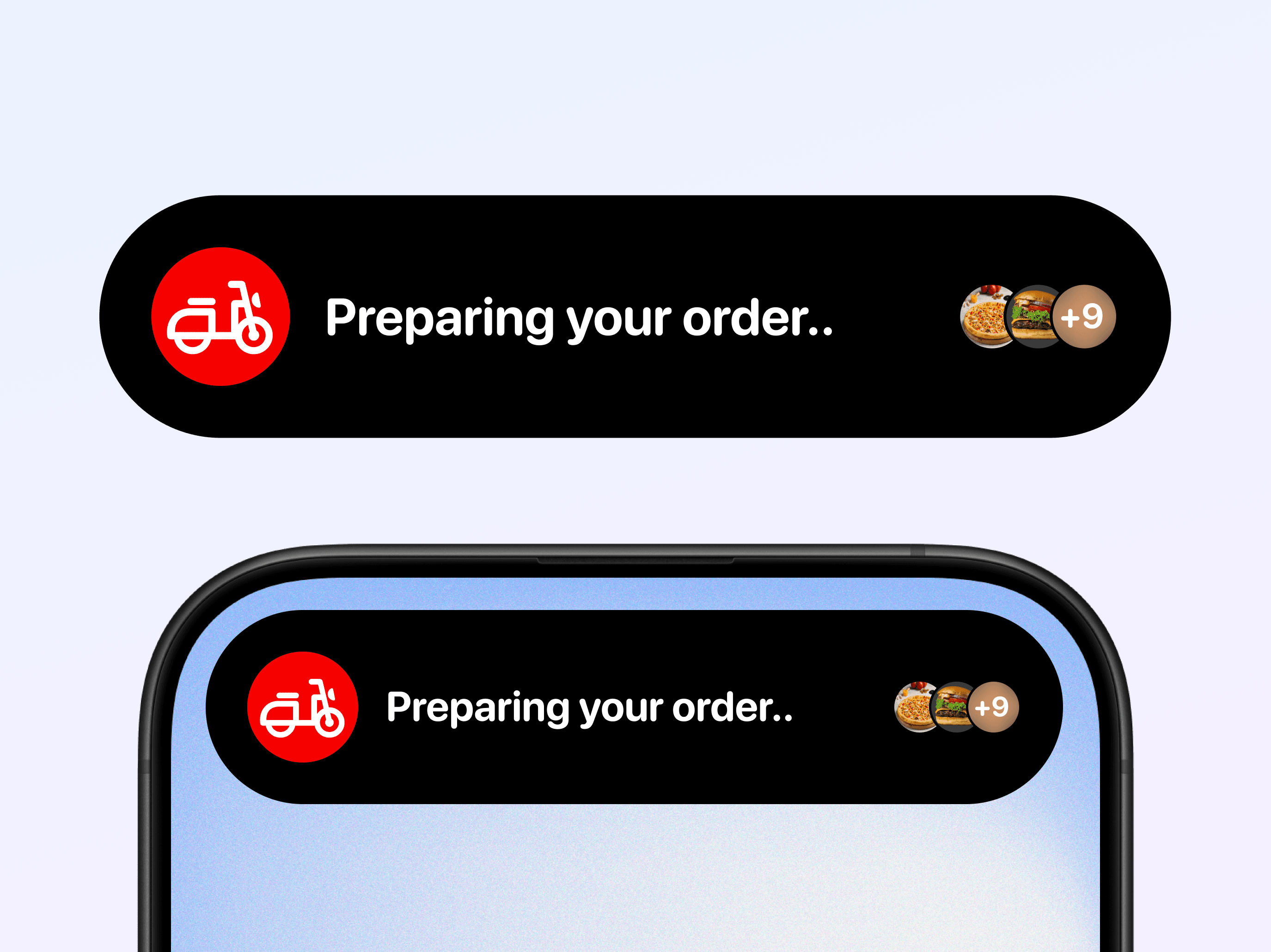
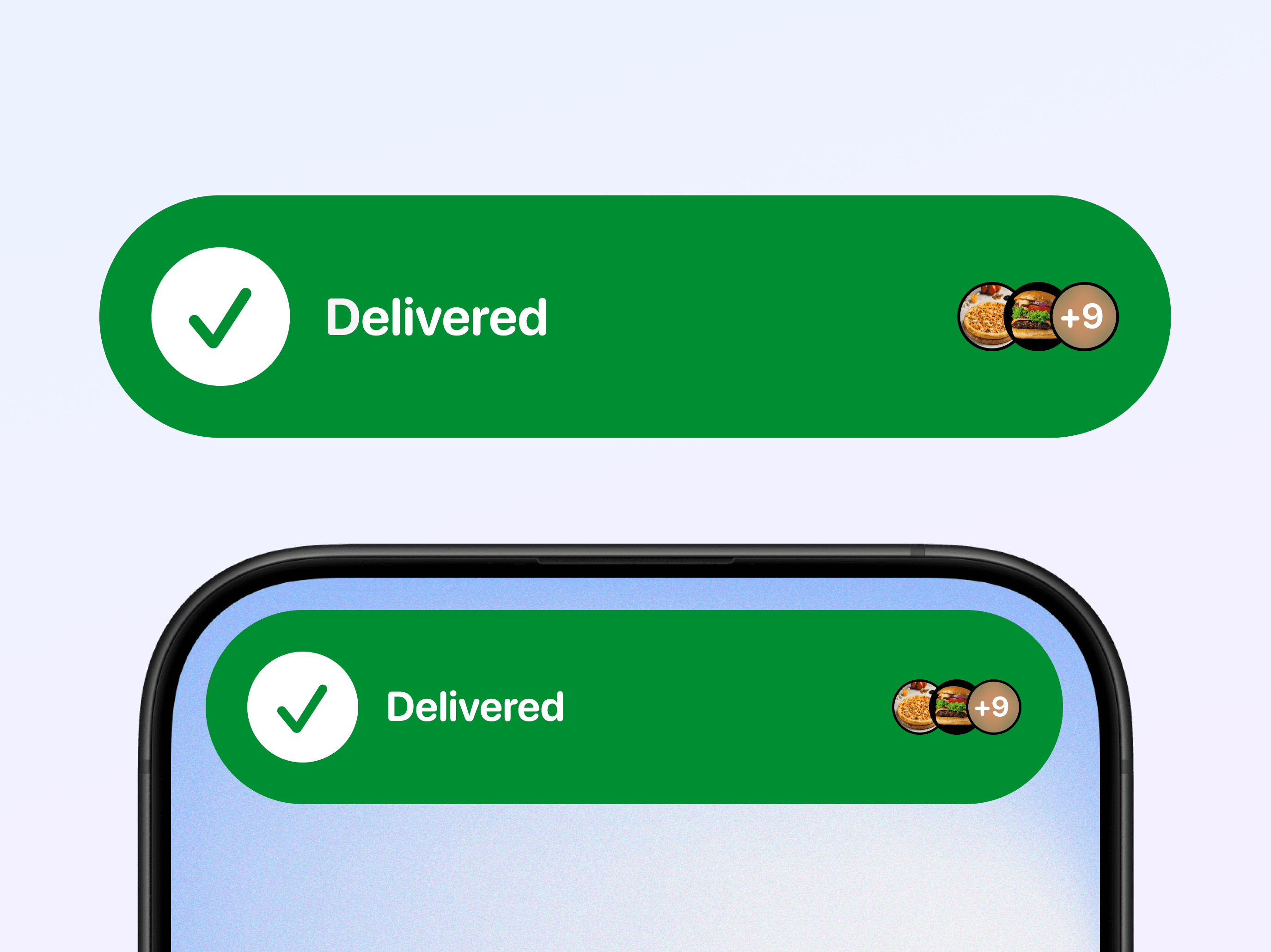
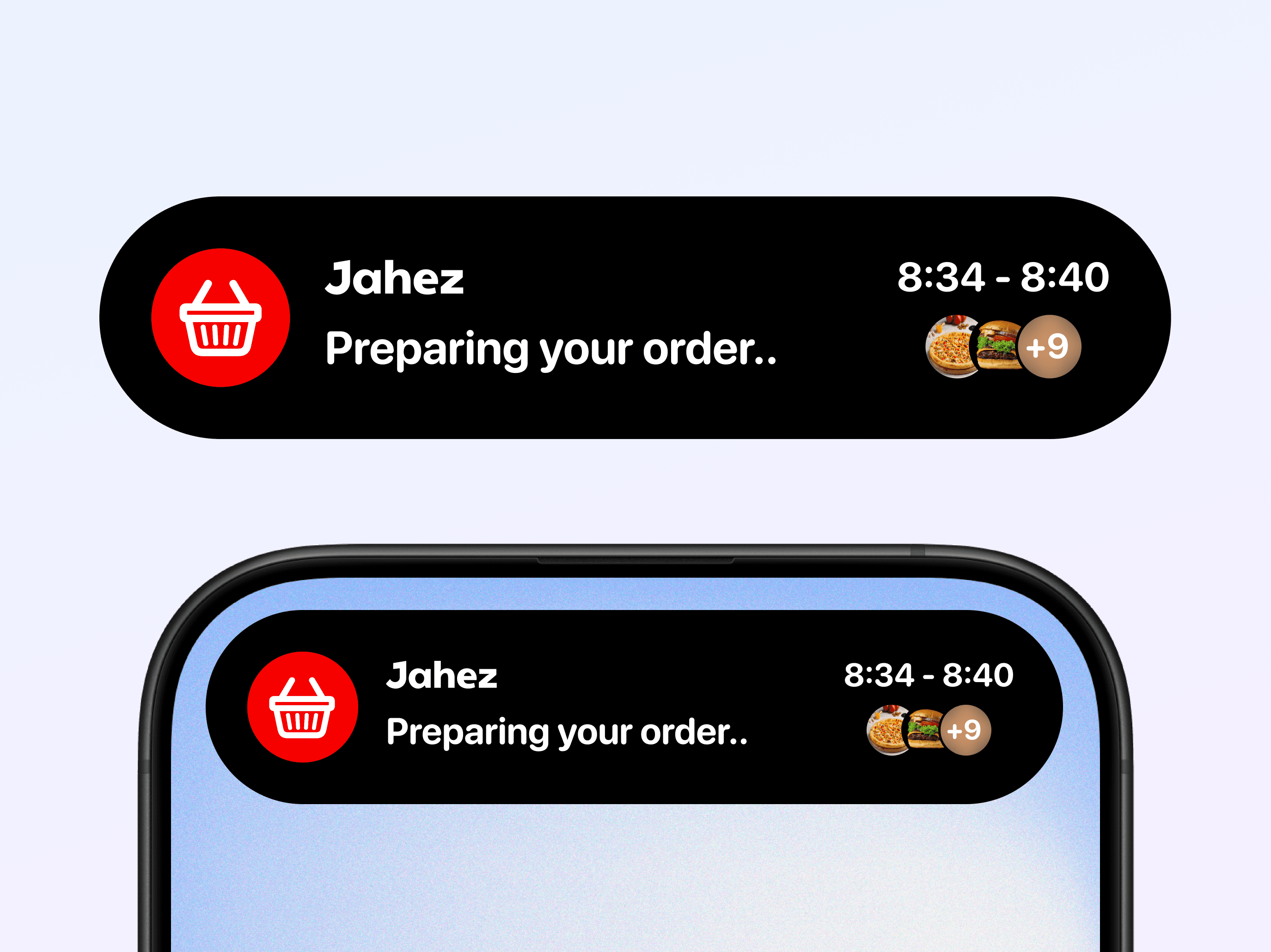
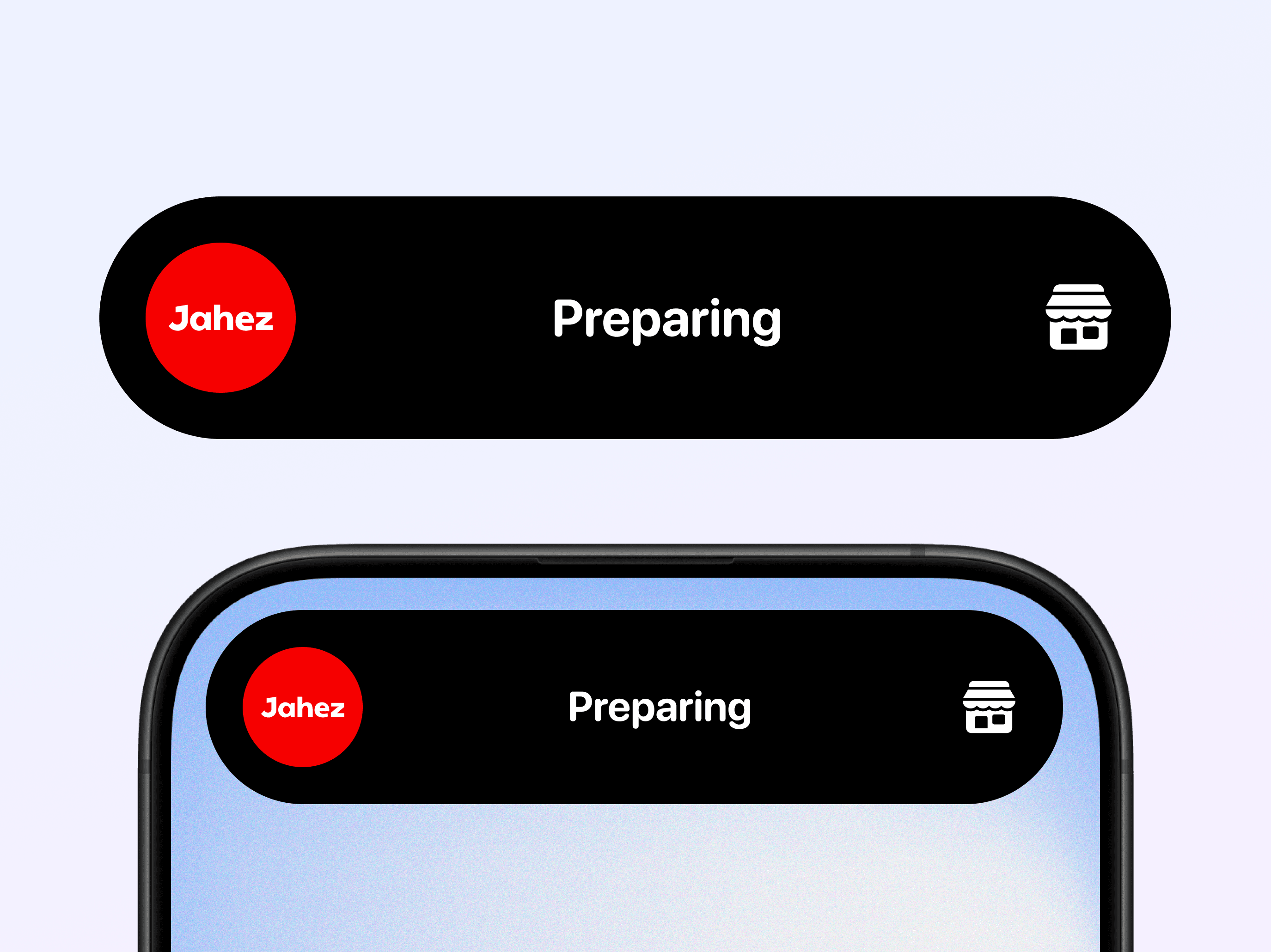
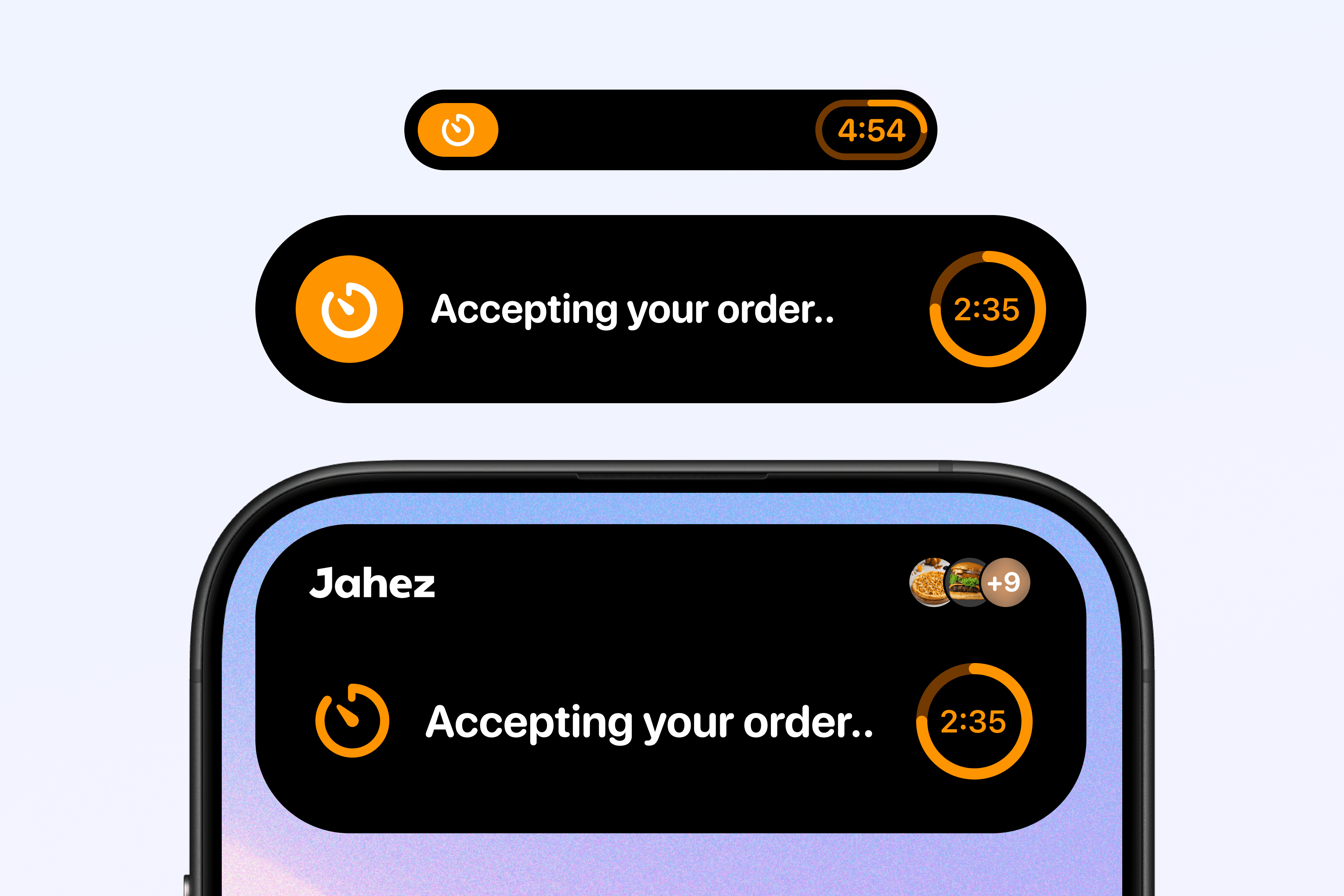
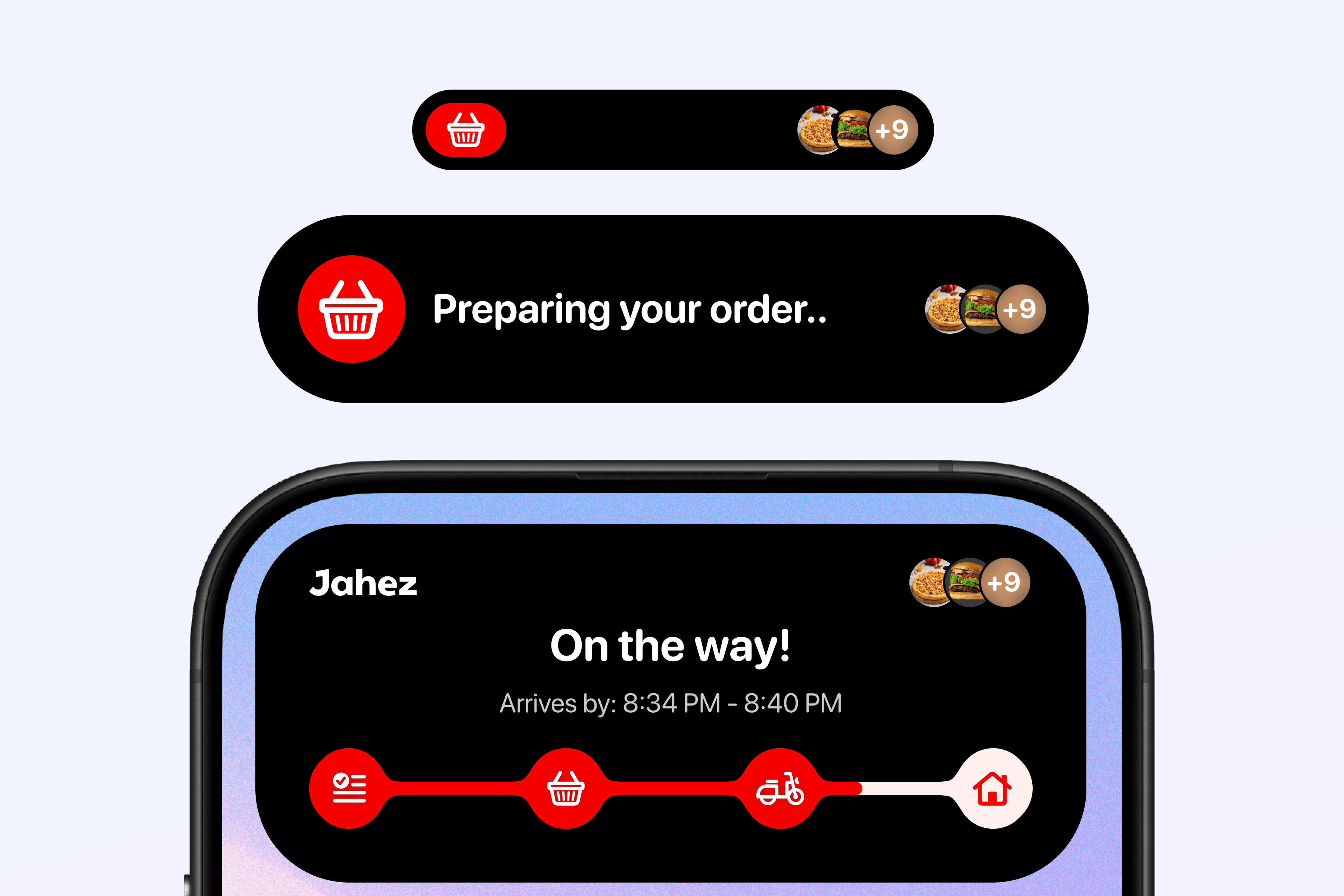
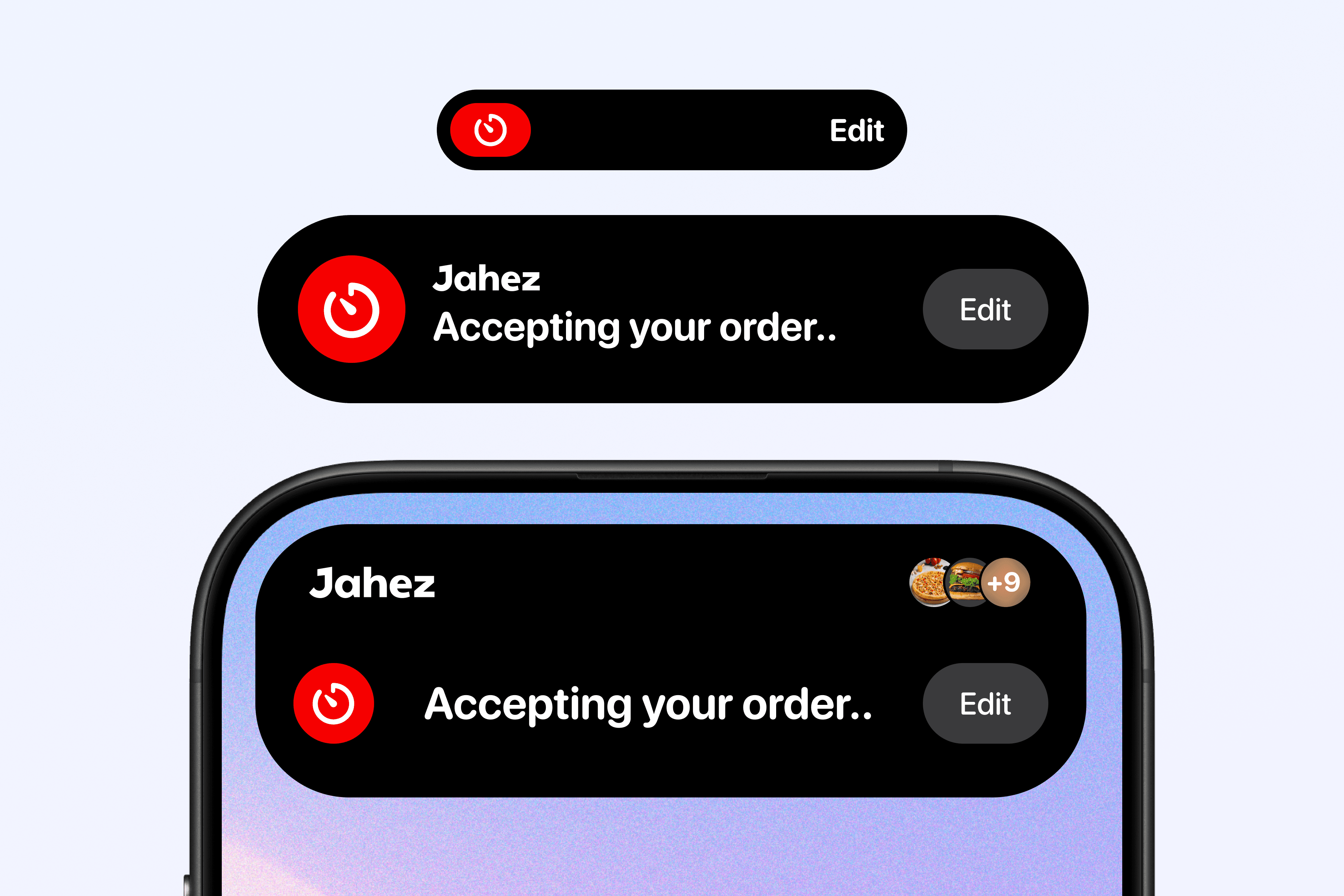
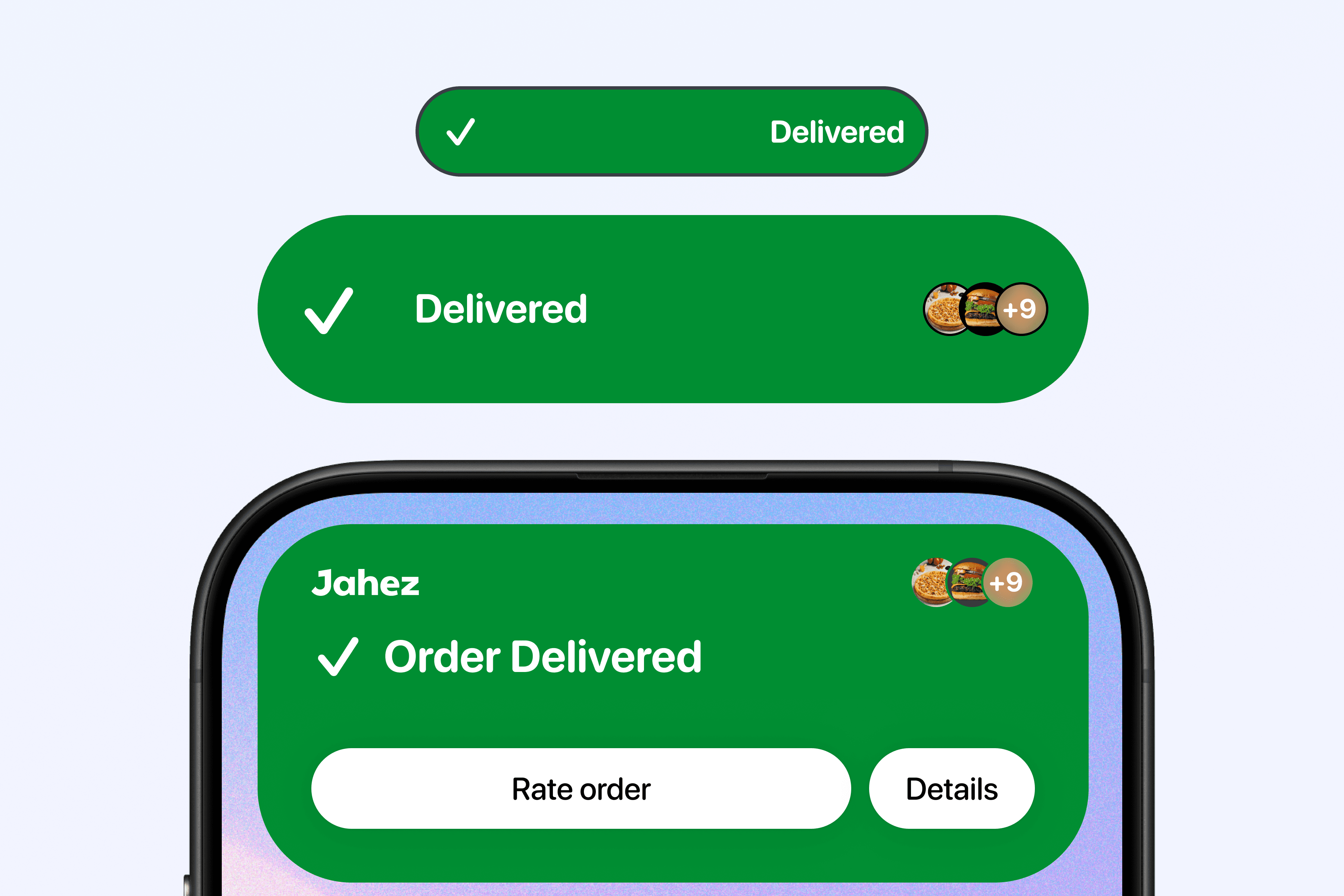
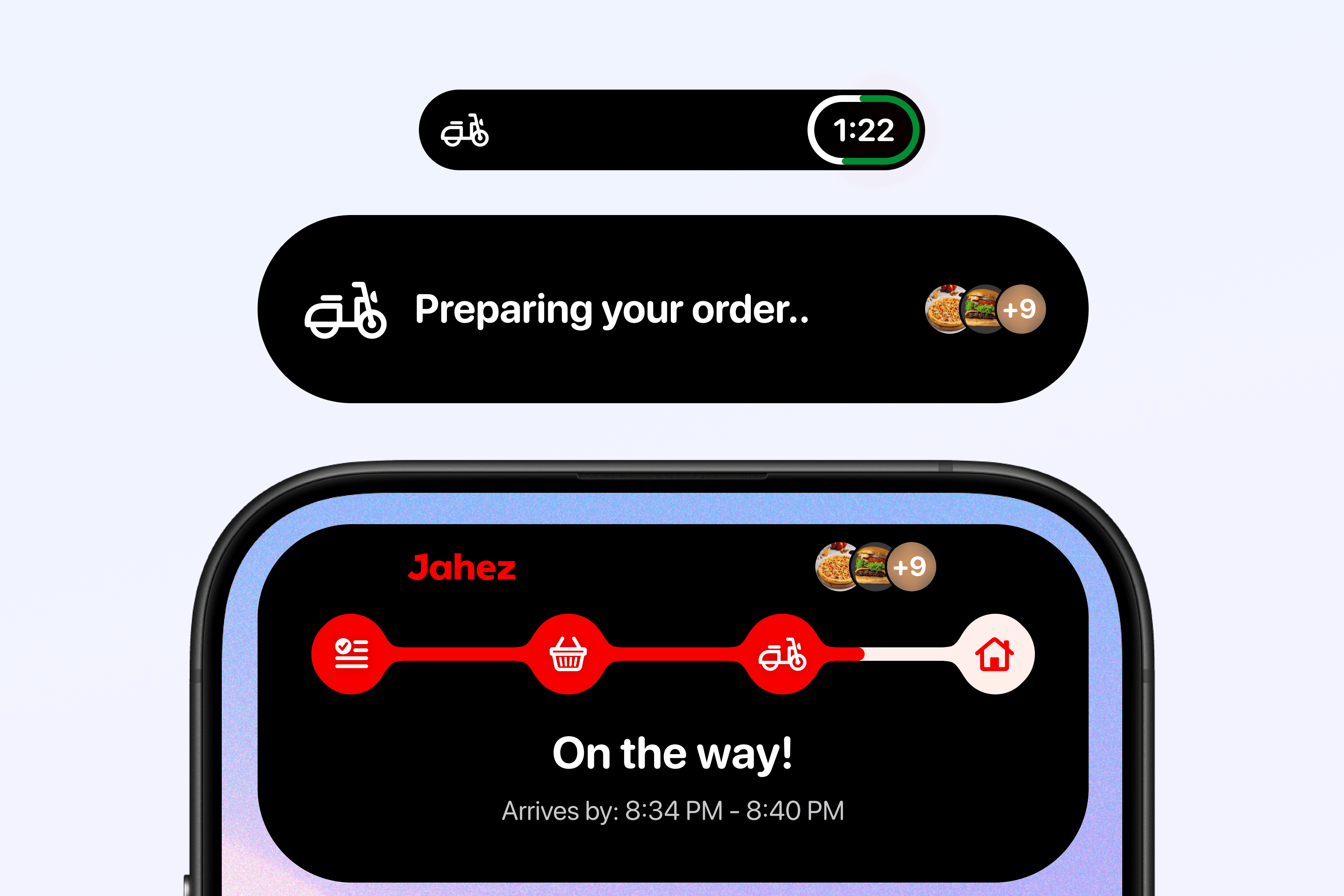
For Jahez, the order journey includes multiple stages: accepting the order, preparing, packing, assigning delivery, on the way, and delivered. These updates are important, but users do not always want to reopen the app every few minutes.
Problem
After placing an order, users often experience uncertainty.
They want to know:
Has the restaurant accepted my order?
Is the food being prepared?
Is the courier on the way?
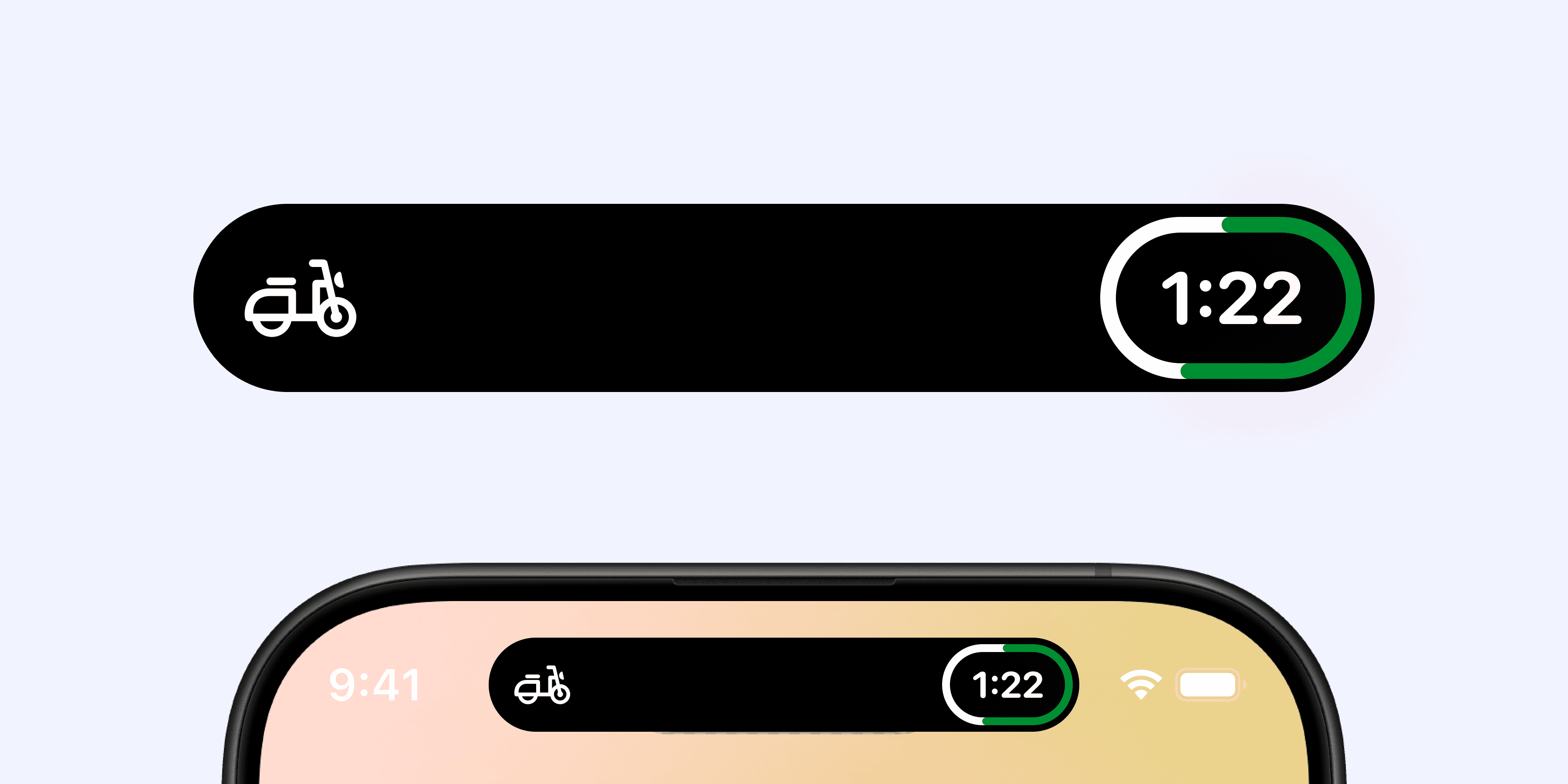
When will the order arrive?
Has the order been delivered?
For Jahez, the order journey includes multiple stages: accepting the order, preparing, packing, assigning delivery, on the way, and delivered. These updates are important, but users do not always want to reopen the app every few minutes.
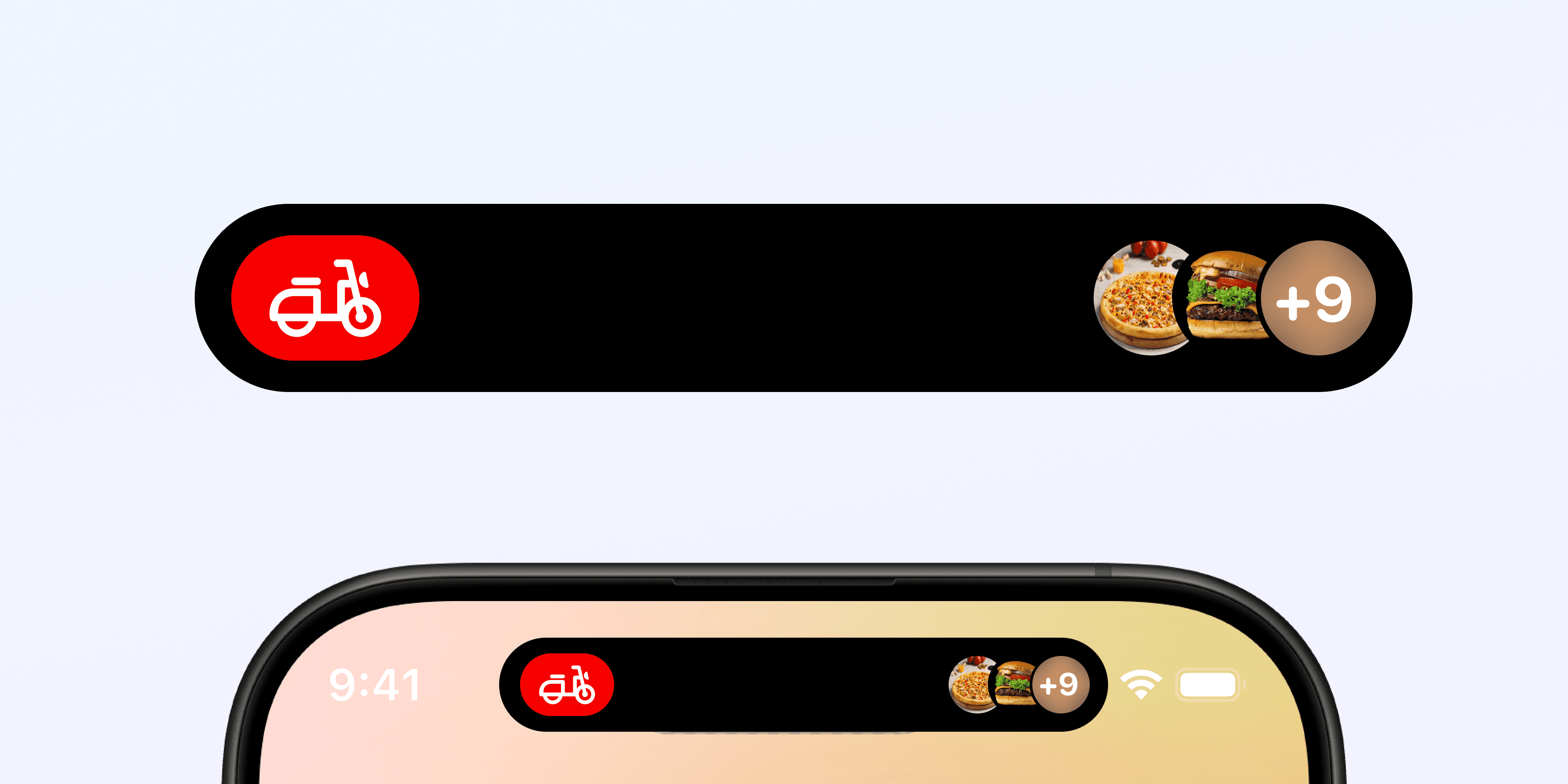
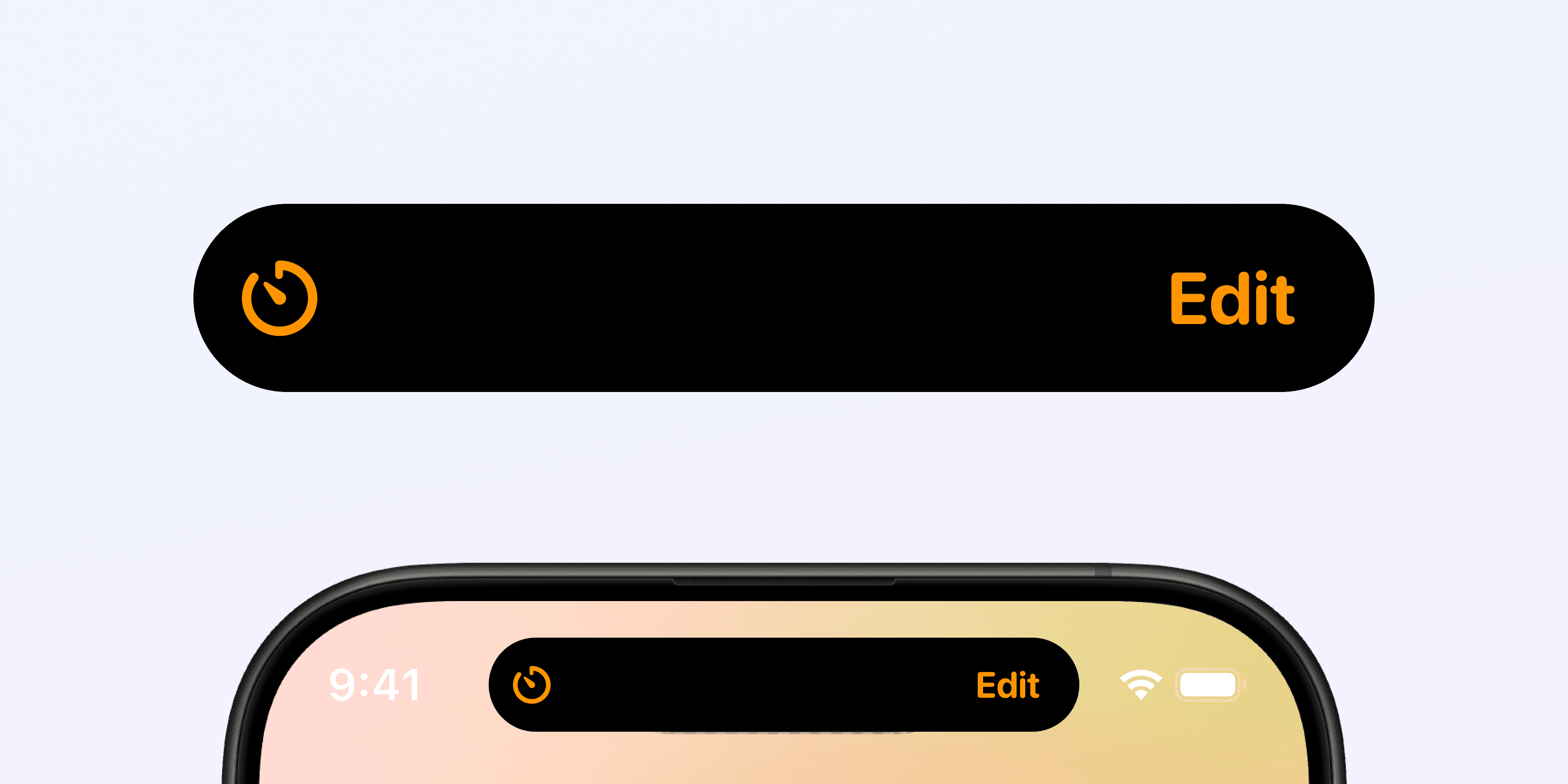
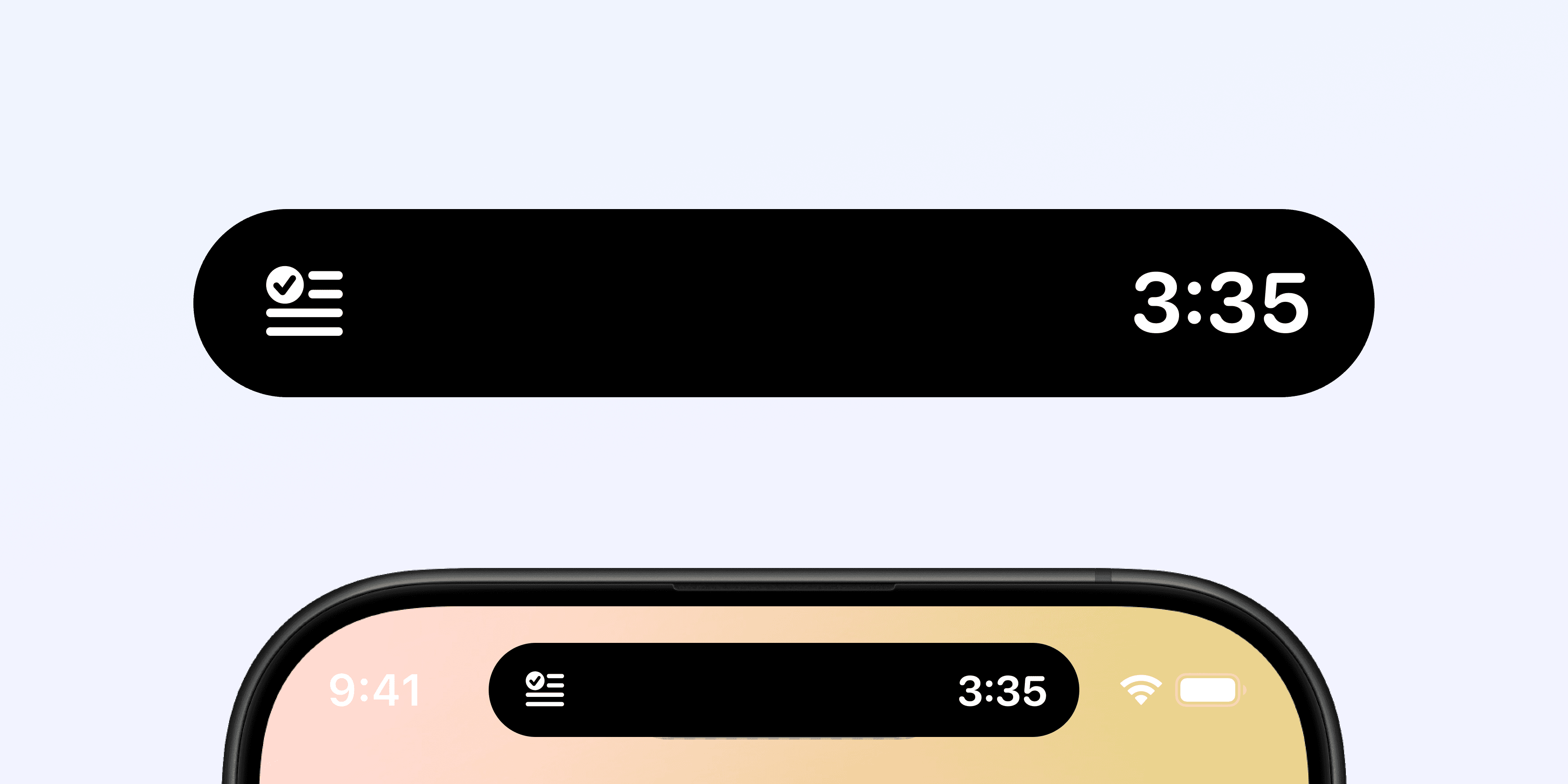
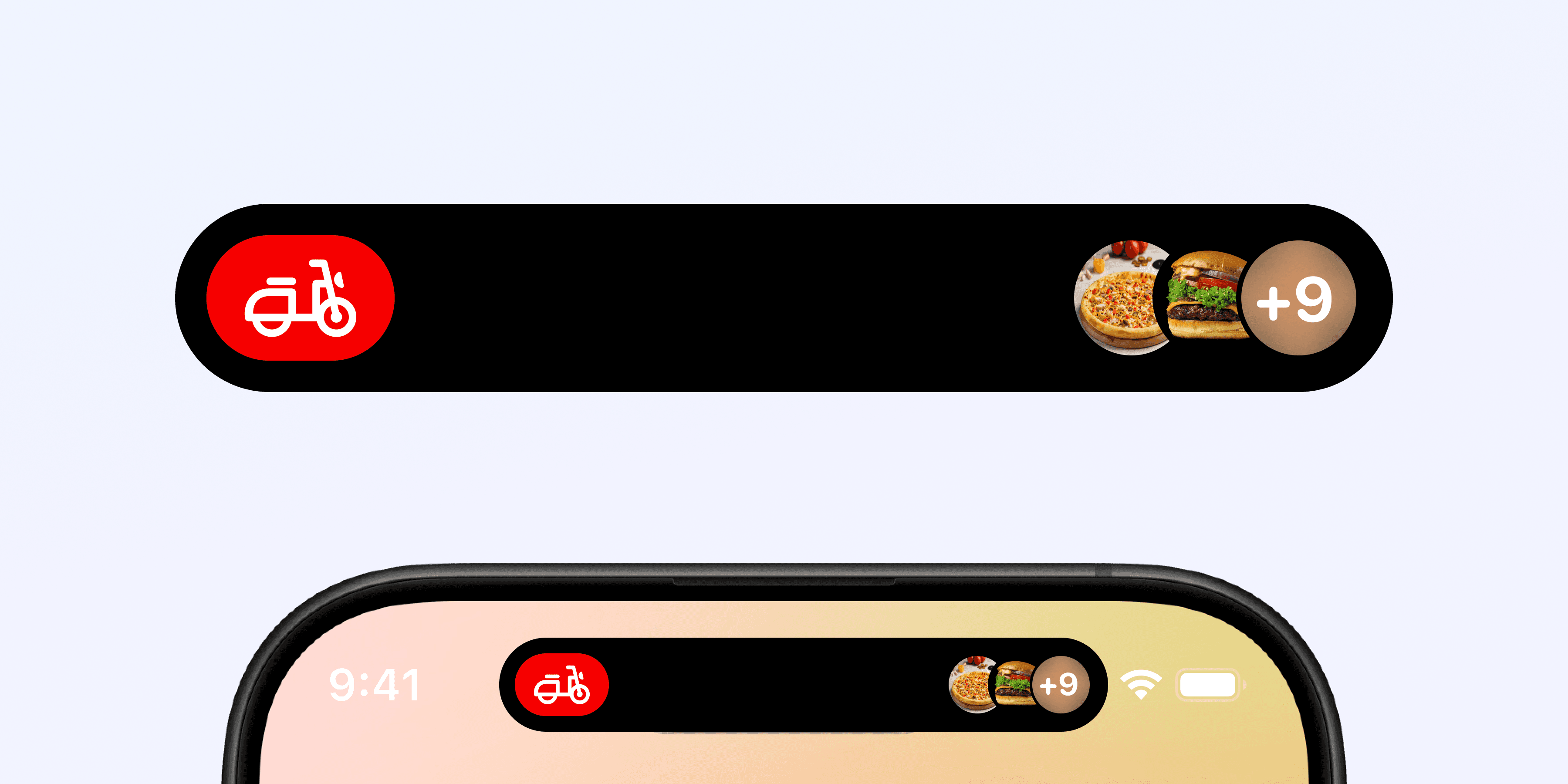
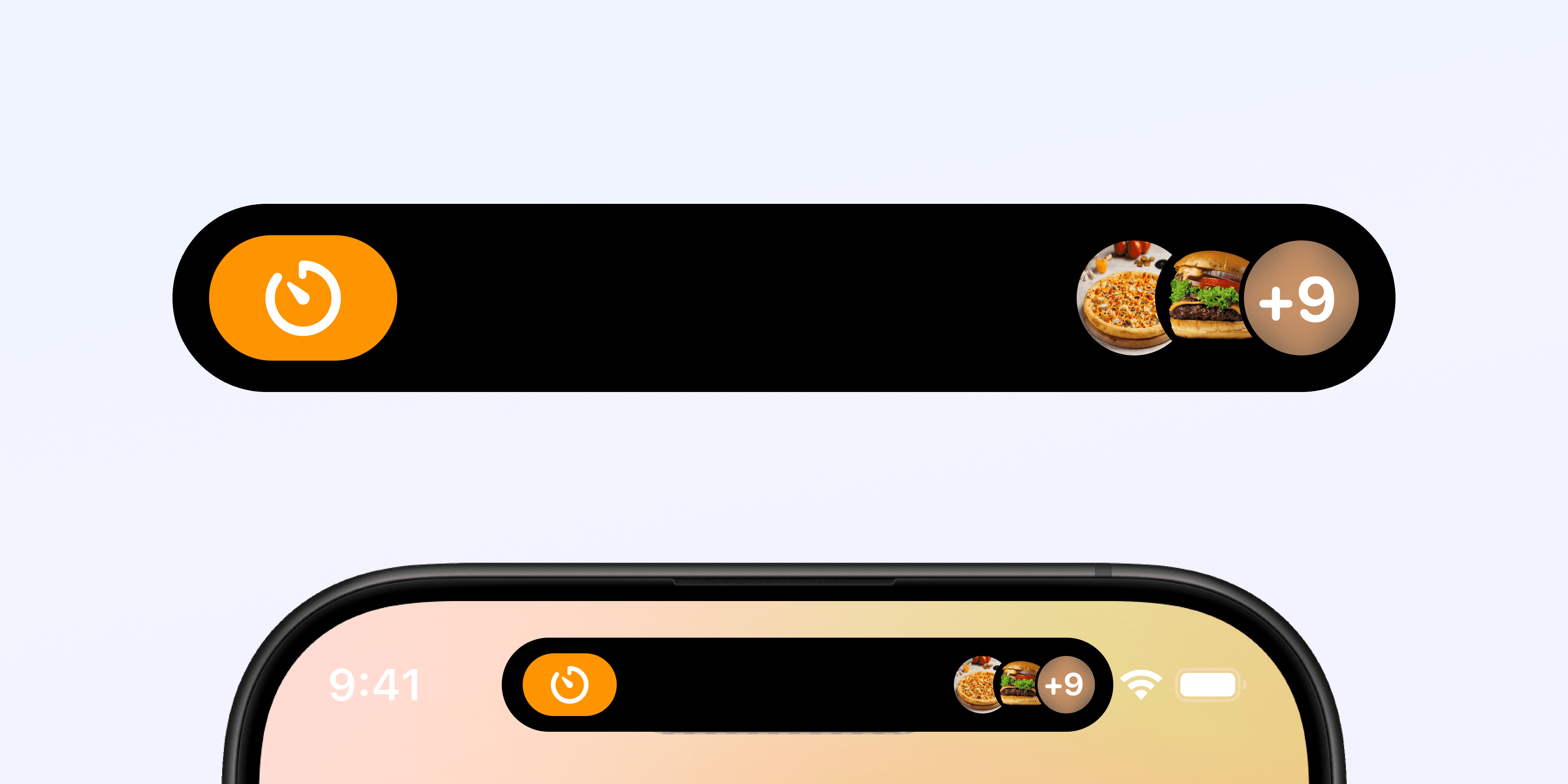
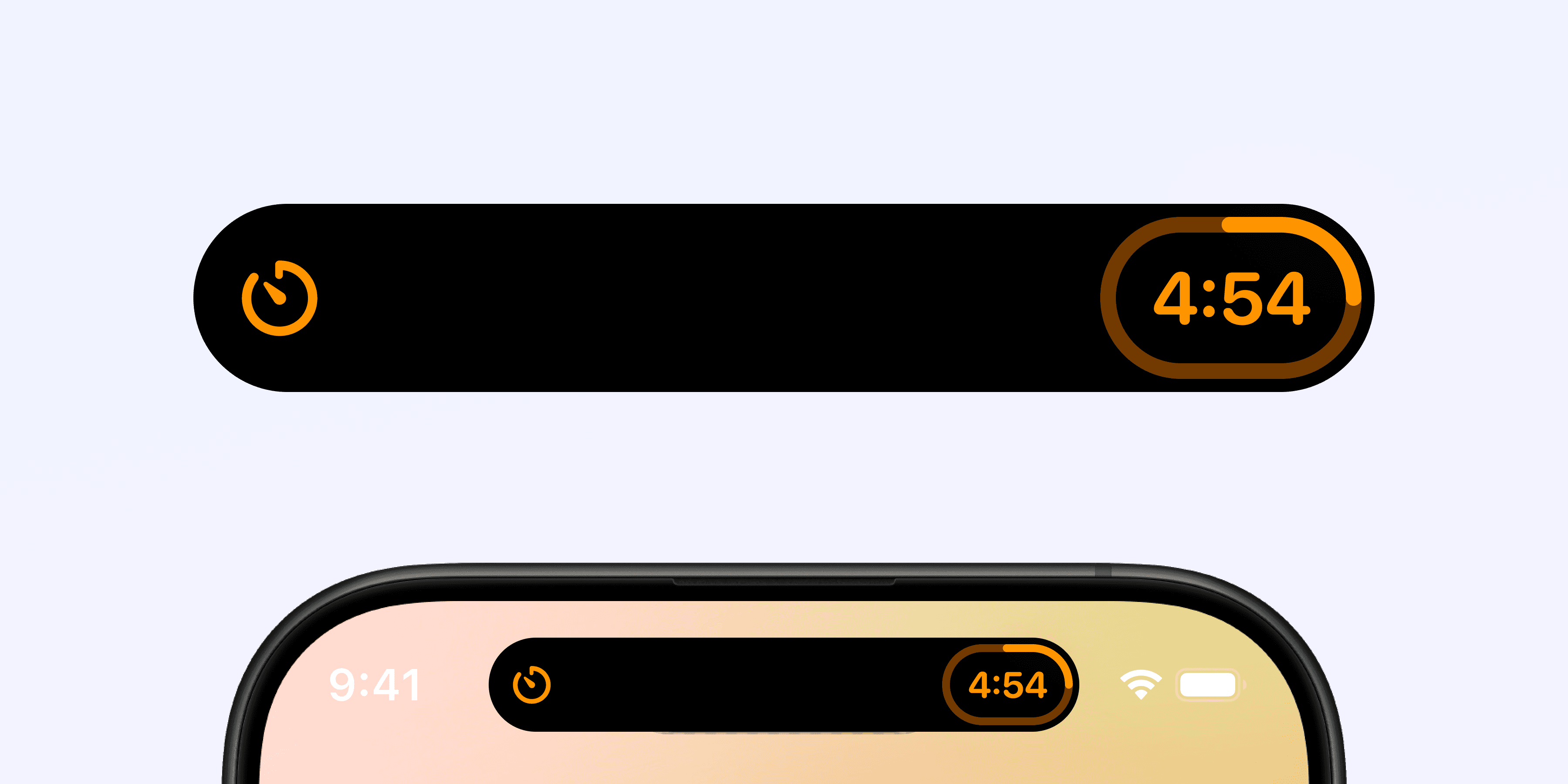
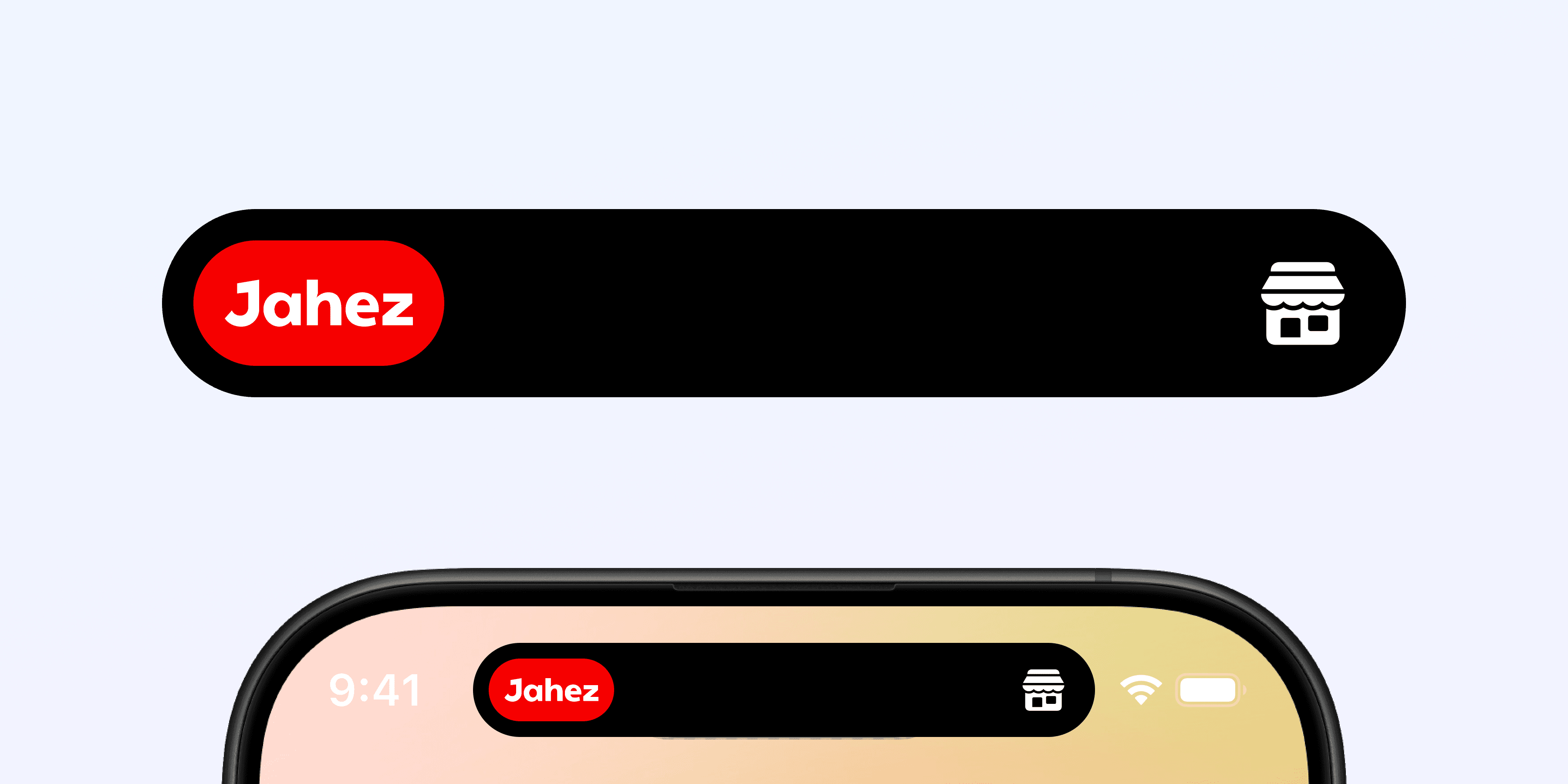
The challenge was to design an experience that keeps users updated without interrupting what they are doing.
My role
I worked on the product experience, information hierarchy, interaction design, and visual direction for the loyalty program.
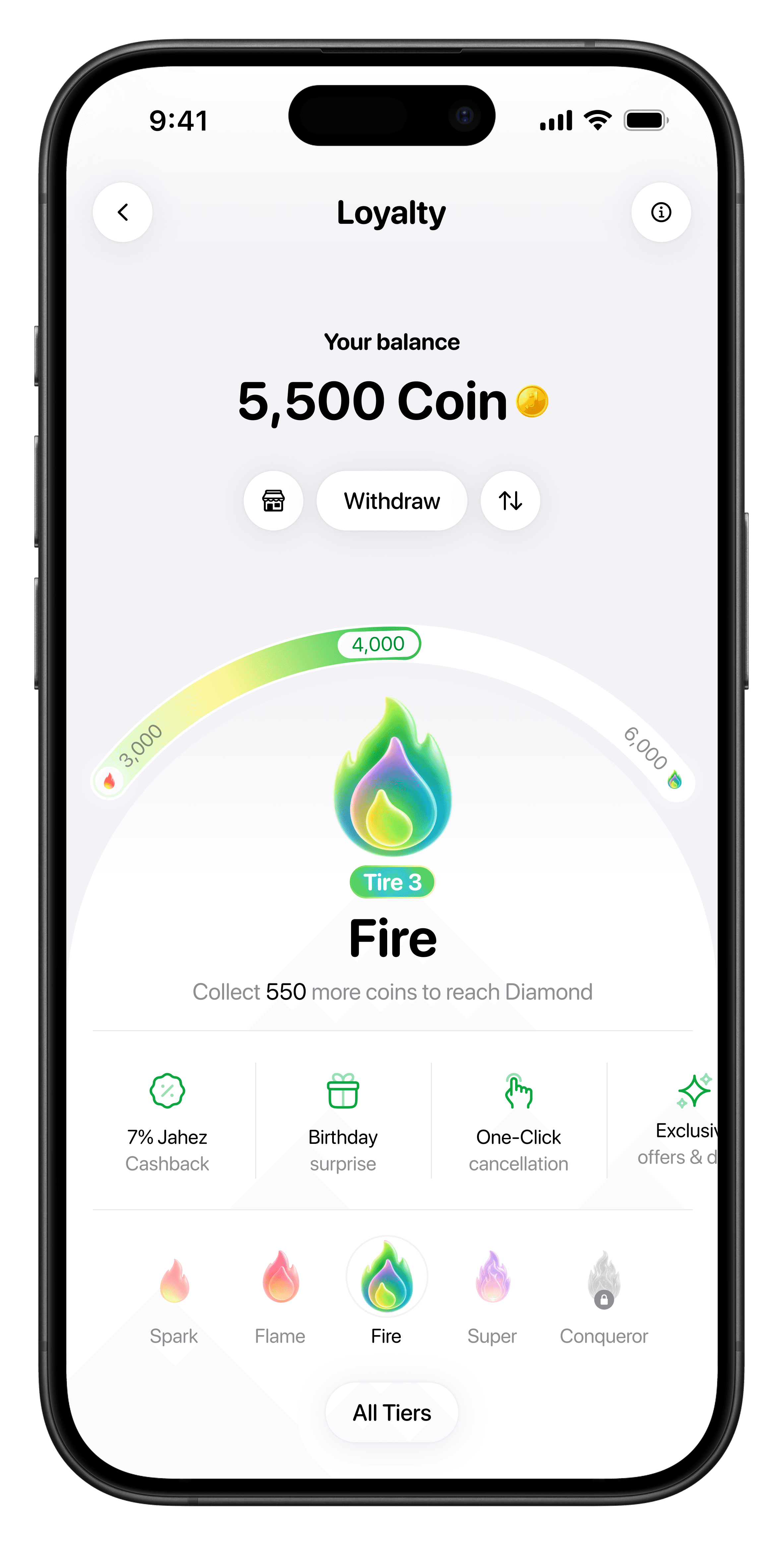
My focus was to make the system feel clear, motivating, and scalable. I explored how the loyalty home screen should communicate balance, tier status, progress, benefits, and future rewards in a way that users can understand quickly.
I also worked through multiple design iterations based on benchmarking, behavioral design principles, and feedback from product, design, and business stakeholders.
Simple
Making loyalty easy to join
Turning every order into visible value.

Making loyalty easy to join
A focused intro screen that explains the value before asking users to opt in.
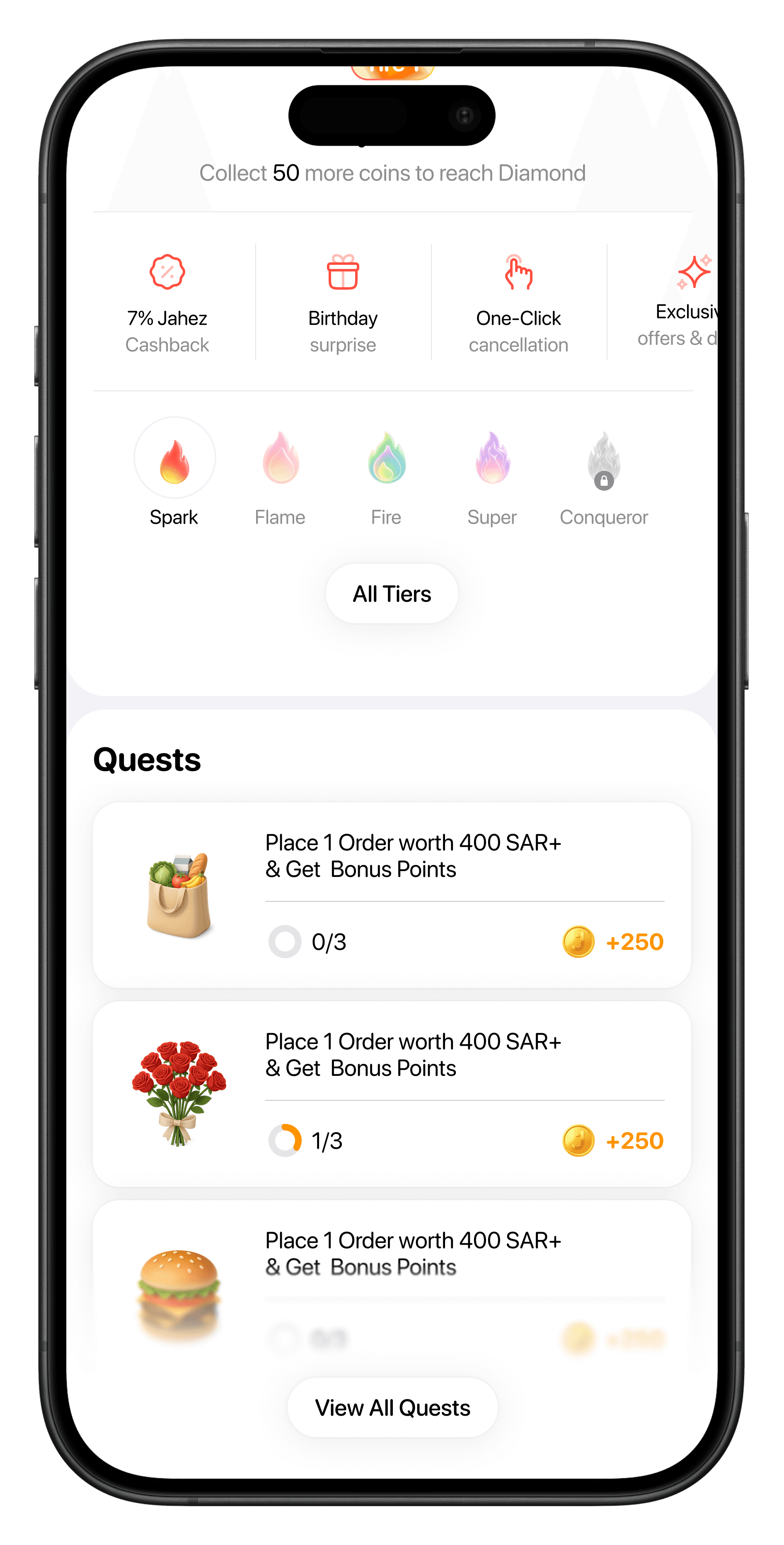
Loyalty Quests
Small challenges that encourage repeat ordering.
Design Goals
(1)
(2)
(3)
(4)
progress visible
emotional motivation
easy to understand
scalable system
Users should instantly understand where they are and how close they are to the next tier.
Tiers should feel aspirational,
not just functional.
Cashback, gifts, and exclusive offers should be discoverable without overwhelming the screen.
The design should support more tiers, benefits, campaigns, and future loyalty mechanics.
Research & Benchmarking
Exploration
1st option
Transaction-count-based
cashback multiplier
In this model, users progress by completing orders. The more they order, the better their cashback multiplier becomes.
Example logic:
Complete orders to move forward.
Reach the next tier.
Unlock a higher cashback multiplier.
Use the reward on future orders.
This model is easy to understand because the behavior is simple: order more, unlock better value.
1st option
Transaction-count-based
cashback multiplier
In this model, users progress by completing orders. The more they order, the better their cashback multiplier becomes.
Example logic:
Complete orders to move forward.
Reach the next tier.
Unlock a higher cashback multiplier.
Use the reward on future orders.
This model is easy to understand because the behavior is simple: order more, unlock better value.
Final Experience
The final concept focuses on a simple loyalty loop:
Order → Earn → Progress → Unlock → Redeem → Repeat
The experience makes progress visible at every stage:
The user sees the loyalty card.
They understand their current tier.
They see what reward is next.
They know the exact action needed.
They unlock a reward.
The system celebrates the achievement.
The user sees the next goal.
This creates a loop that feels clear, motivating, and valuable.
What I Learned
The biggest learning was that loyalty should not be designed as a points page. It should be designed as a progress experience.
Users do not only need rewards. They need to feel that every order moves them somewhere.
A strong loyalty program should balance three things:
Clarity: users understand how it works.
Motivation: users feel close to the next goal.
Value: users believe the reward is worth the effort.
The best direction was to combine practical rewards like cashback with emotional motivation like progress, tiers, coins, and unlockable benefits.
● Thank you